 English (UK)
 Dansk
Dansk Deutsch
 English
 Español
 Francais
 Italiano
 Magyar
 Nederlands
 Norsk
Norsk Polski
 Português (Brasil)
 Pycckui
 Suomi
Suomi Svenska
 עברית
עברית العربية
 日本语
日本语 繁體中文
繁體中文 한국어
한국어
Does a poe switch need power?
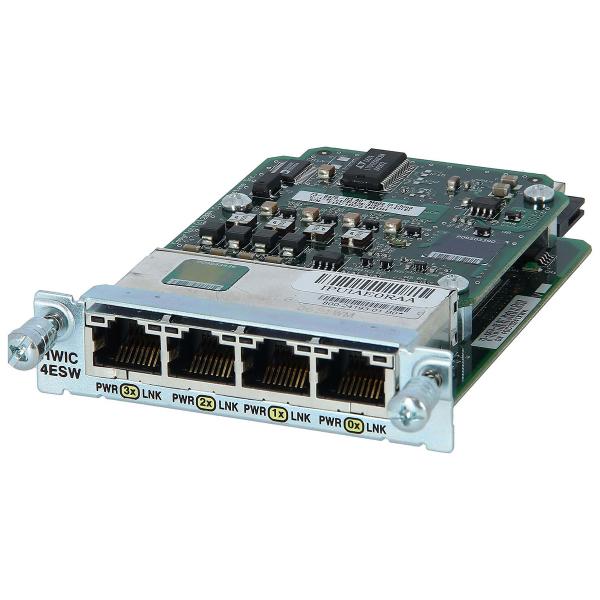
Power over Ethernet (PoE) technology has become increasingly popular due to its ability to transmit both data and electrical power over a single Ethernet cable. This capability makes it possible to power devices such as IP cameras, wireless access points, and VoIP phones without the need for separate power supplies. However, one common question that arises is whether a PoE switch itself requires power to operate. This article will delve into the fundamentals of PoE technology, the power requirements of PoE switches, and considerations for deploying PoE solutions.
Understanding PoE Technology
PoE technology allows Ethernet cables to carry electrical power alongside data to powered devices (PDs). This is achieved by injecting power into the Ethernet cable at the source, typically a PoE switch or a PoE injector. The technology is governed by several IEEE standards, with the most common being IEEE 802.3af (PoE), IEEE 802.3at (PoE+), and IEEE 802.3bt (PoE++). Each standard specifies different power levels that can be delivered over the Ethernet cable, with PoE providing up to 15.4 watts, PoE+ up to 30 watts, and PoE++ up to 90 watts.
Do PoE Switches Need Power?
The simple answer is yes, PoE switches do need power. While they are capable of delivering power to connected devices, they themselves must be powered to function. A PoE switch is essentially a network switch that includes built-in PoE capabilities. It requires an external power source to operate, just like any other electronic device.
Powering the PoE Switch
A PoE switch typically receives power through a standard AC power connection. The switch is plugged into a wall outlet or a power strip, drawing power from the building's electrical system. This power is then used to operate the switch's internal components and to supply power to connected PoE-enabled devices.
In some cases, PoE switches can be powered by a DC power source, especially in environments where AC power is not available or where a centralized DC power system is in use. In these situations, the switch is connected to a DC power supply with the appropriate voltage and current ratings.
Power Budget Considerations
When deploying a PoE switch, it's important to consider the power budget. The power budget refers to the total amount of power that the switch can deliver to connected devices. Each port on the switch has a maximum power output, and the sum of the power supplied to all ports cannot exceed the switch's total power budget.
For example, a PoE switch with a power budget of 120 watts and 8 PoE ports could theoretically supply 15 watts to each port. However, if one device requires 30 watts, the power available to the other ports would be reduced accordingly. It's crucial to ensure that the total power demands of all connected devices do not exceed the switch's power budget.
Benefits of Using PoE Switches
PoE switches offer several advantages, making them an attractive option for powering network devices:
-
Simplified Installation: By transmitting power and data over a single cable, PoE reduces the need for additional power outlets and cabling, simplifying installation and reducing costs.
-
Flexibility: PoE allows devices to be installed in locations where power outlets are not readily available, providing greater flexibility in network design.
-
Centralized Power Management: With PoE, power can be managed centrally from the switch, allowing for easier monitoring and control of power consumption.
-
Scalability: PoE switches can easily accommodate additional devices, making it simple to scale the network as needed.
-
Safety: PoE technology includes built-in safety features to prevent overloading and short-circuiting, protecting both the switch and connected devices.
Types of PoE Switches
PoE switches come in various types, each suited to different applications and network sizes. Understanding these types can help in selecting the right switch for your needs:
-
Unmanaged PoE Switches: These are plug-and-play devices that require no configuration. They are ideal for small networks or for users who need a simple, cost-effective solution.
-
Managed PoE Switches: These switches offer advanced features such as VLAN support, QoS, and network monitoring. They are suitable for larger networks where greater control and customization are required.
-
Smart PoE Switches: Positioned between unmanaged and managed switches, smart switches offer some configurability and management features without the complexity of fully managed switches.
-
Industrial PoE Switches: Designed for rugged environments, industrial PoE switches can withstand extreme temperatures, humidity, and vibrations, making them suitable for use in factories, outdoor installations, and other harsh conditions.
Considerations for Deploying PoE Solutions
When planning to deploy PoE solutions, several factors should be taken into account:
-
Network Requirements: Assess the number of devices that need to be powered and their power requirements. This will help determine the appropriate PoE standard and power budget needed.
-
Cable Length: The maximum cable length for Ethernet is 100 meters. Ensure that the distance between the switch and powered devices does not exceed this limit, as longer cables can result in power loss.
-
Future Expansion: Consider potential future expansion of the network. Choosing a switch with a higher power budget or additional ports can accommodate growth without the need for immediate upgrades.
-
Environmental Conditions: Evaluate the environmental conditions where the switch will be installed. For challenging environments, consider using industrial PoE switches.
-
Redundancy and Reliability: In critical applications, consider implementing redundancy measures, such as using backup power supplies or deploying multiple switches to ensure continuous operation.
Conclusion
In summary, while PoE switches are capable of delivering power to network devices, they themselves require power to operate. Understanding the power requirements and capabilities of PoE switches is essential for successful deployment and management of PoE networks. By considering factors such as power budget, network requirements, and environmental conditions, you can select the right PoE switch to meet your needs, ensuring a reliable and efficient network infrastructure.


